Study provides insight into the biological mechanisms of picosecond lasers for pigmentation disorders and skin aging, enabling safer parameter selection and clinical application.
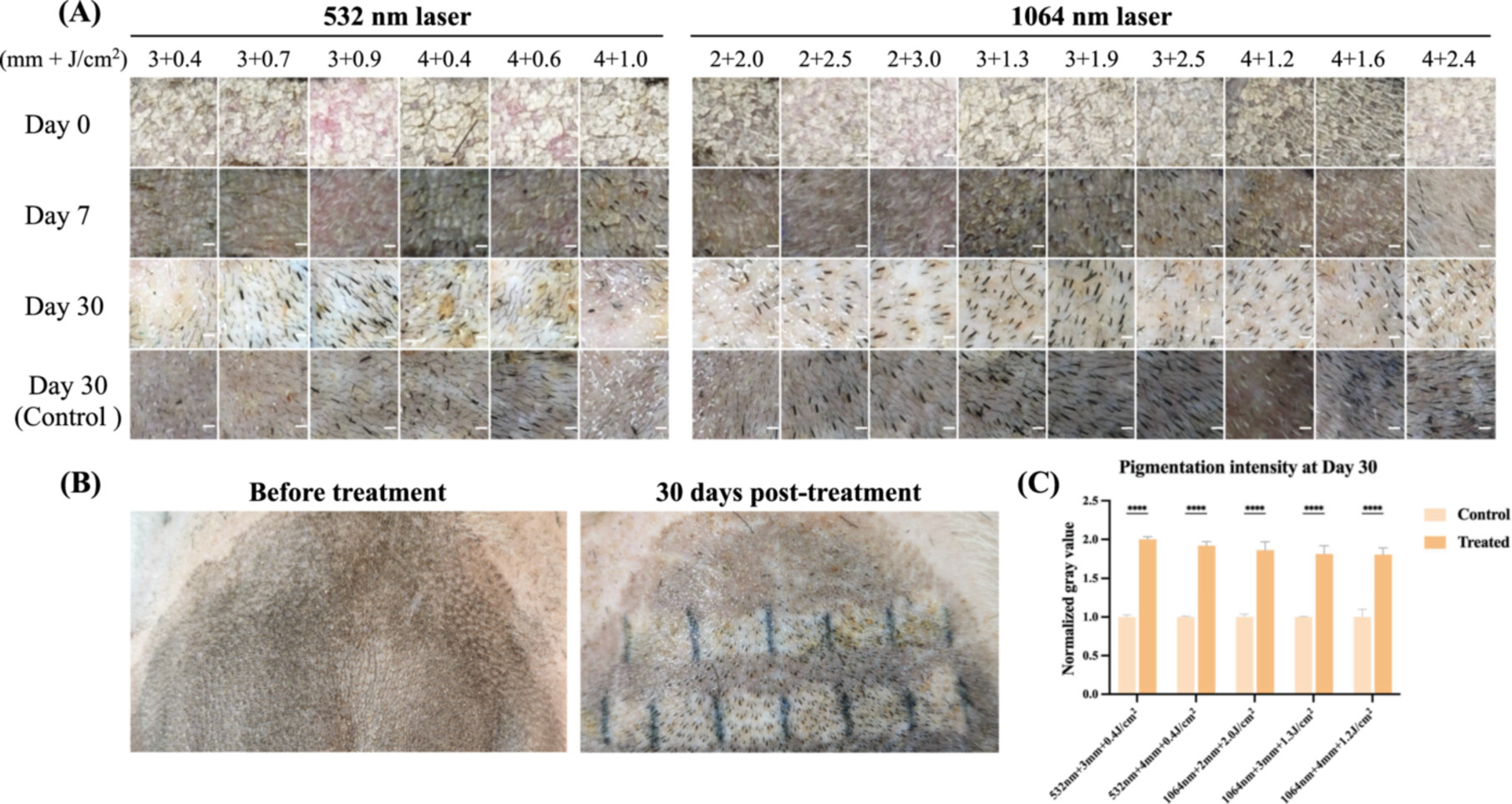
Wausau, WI (January 30, 2026) – Researchers used a porcine model that closely resembles human skin to provide mechanistic evidence that supports safer parameter selection and more rational clinical application of picosecond lasers. These lasers lighten pigmentation by breaking pigment into tiny fragments that are cleared by immune cells, and suppress new pigment production. They also induce collagen remodeling and increase proteins that support the skin barrier.
The study, led by Xiang Wen, MD, PhD, is titled, “Decoding the Mechanisms of Pigment Reduction and Skin Rejuvenation Induced by Picosecond Laser: Insights from a Porcine Model.” The basic science article, published in Lasers in Surgery and Medicine (LSM), the official journal of the American Society for Laser Medicine and Surgery, Inc. (ASLMS), was selected as the January 2026 Editor’s Choice.
“Picosecond lasers are widely used in clinical practice for pigmentary disorders and skin rejuvenation, yet their biological mechanisms remain incompletely understood,” Wen said. “We conducted this study to systematically elucidate how picosecond laser treatment achieves pigment clearance and promotes skin rejuvenation at the tissue, cellular, and molecular levels.”
The results demonstrated that picosecond laser treatment induces melanosome fragmentation, macrophage-mediated pigment clearance, and sustained inhibition of melanogenesis through melanocyte loss and reduced tyrosinase expression. Simultaneously, laser treatment promoted dermal collagen remodeling, growth factor upregulation, and enhancement of epidermal barrier proteins. Together, these findings provide mechanistic insight into the dual therapeutic effects of picosecond lasers for pigmentation disorders and skin aging.
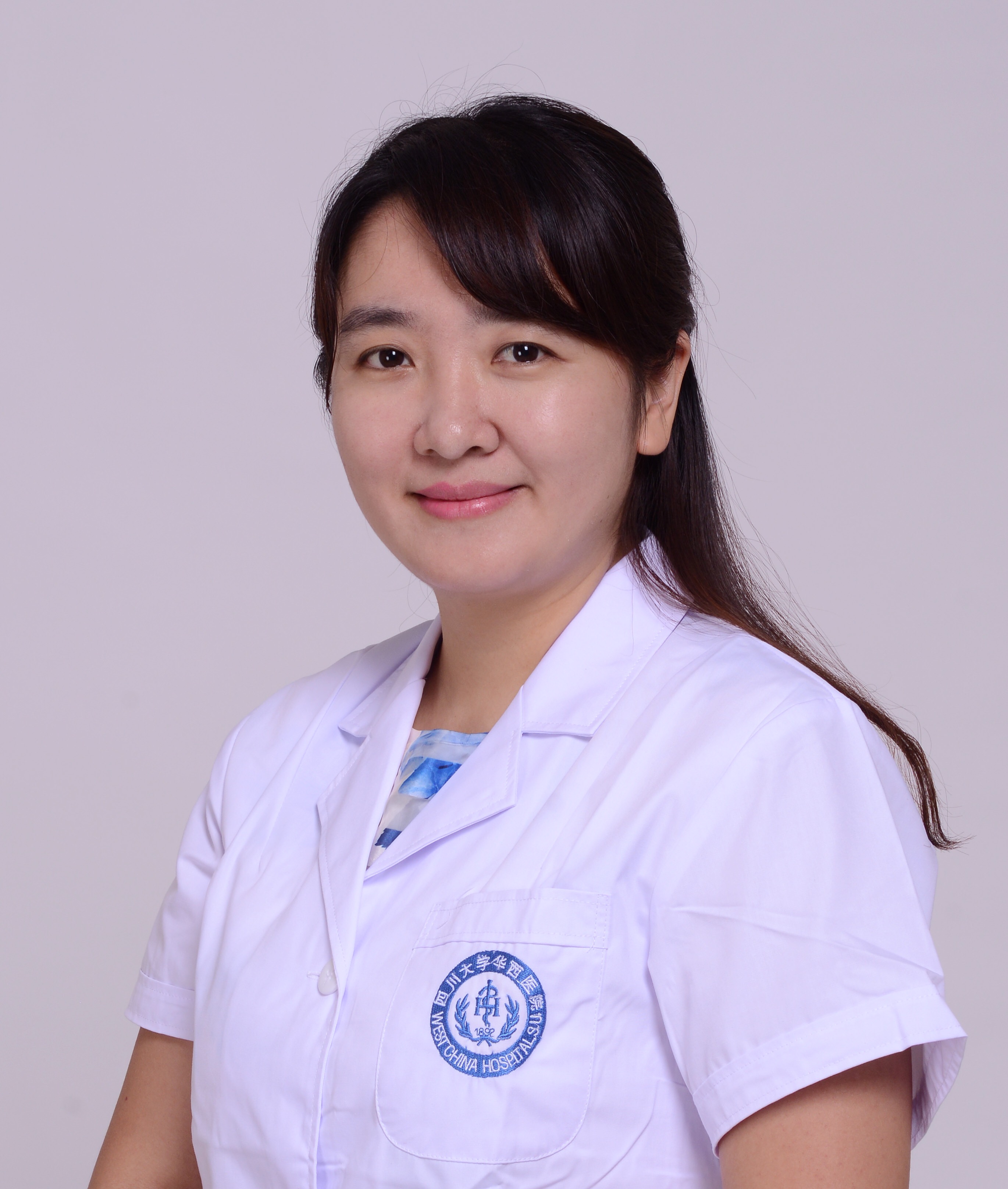
Xiang Wen, MD, PhD, is a dermatologist and professor at West China Hospital, Sichuan University. Her clinical and research interests focus on the diagnosis and comprehensive management of common and rare disfiguring skin disorders, with particular expertise in laser and energy-based devices, injectable treatments, and minimally invasive cosmetic procedures.
Editor’s Choice is an exclusive article published in LSM, the official journal of ASLMS. View the complete manuscript.