Study shows the 1927-nm Thulium laser is highly effective in reducing actinic keratosis and improving dermal structure, however, a 'molecular scar' may persist.
Wausau, WI (April 23, 2026) – A clinical report demonstrates that a specific laser treatment can significantly clear sun-damaged skin and precancerous spots by rebuilding the skin's deeper layers. However, it also reveals that the "genetic memory" of sun damage can remain in the cells even when the skin appears healthy, meaning patients still need regular check-ups.
The study, led by Lívia Maria Oliveira Salviano, is titled, “Clinical and Histopathological Assessment of the Field of Cancerization in Human Skin Before and After Treatment With a 1927-nm Thulium Fractional Laser.” The clinical report, published in Lasers in Surgery and Medicine (LSM), the official journal of the American Society for Laser Medicine and Surgery, Inc. (ASLMS), was selected as the April 2026 Editor’s Choice.
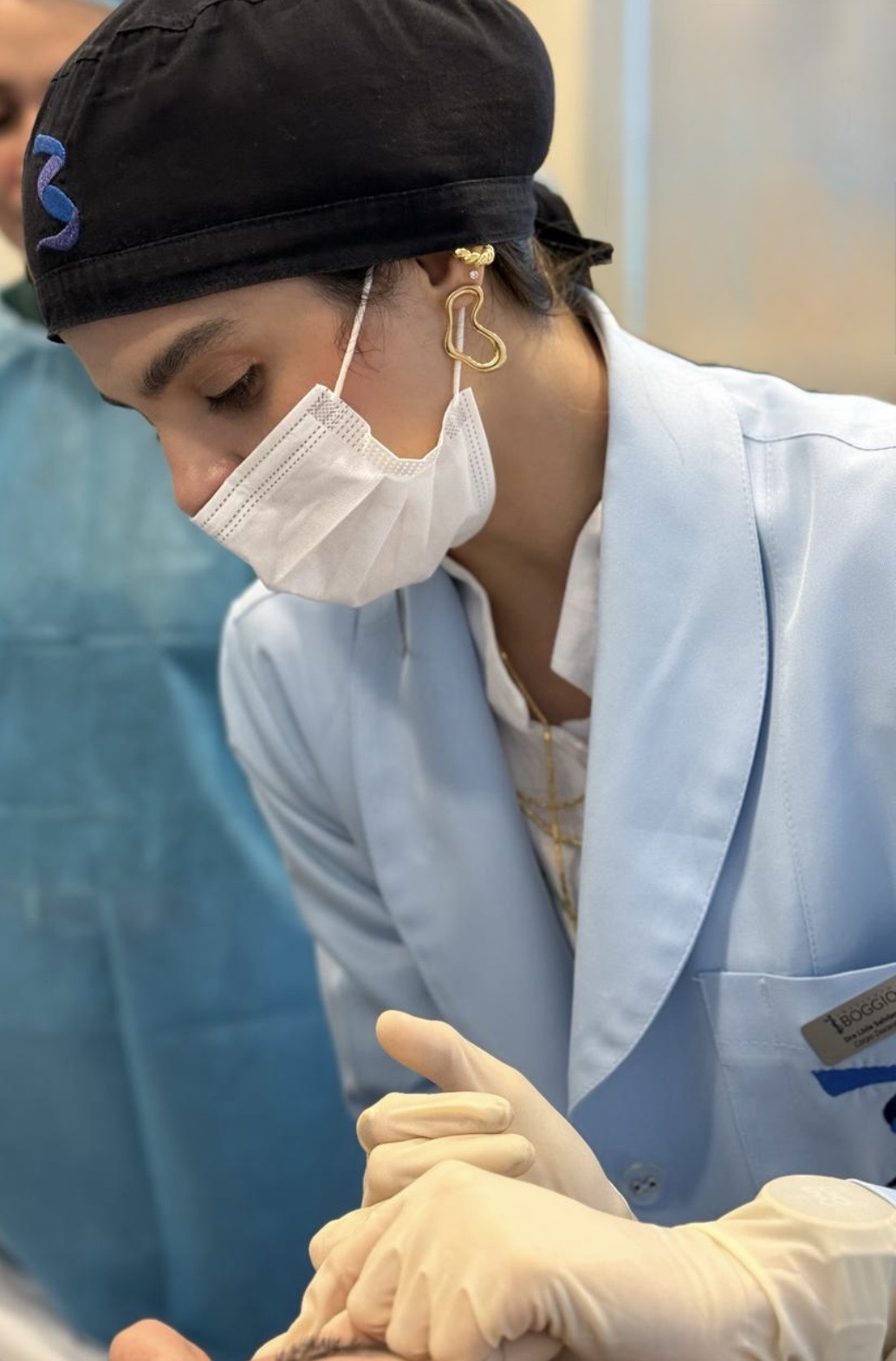
“We initiated this study to determine if the clinical efficacy of the 1927-nm Thulium laser in treating field cancerization was supported by deep histological and molecular changes,” Salviano said. “Our goal was to see if we were truly clearing the 'cancer field' or simply improving the skin's architectural appearance.”
This prospective study of 23 patients treated with four sessions of 1927-nm Thulium laser showed a significant reduction in actinic keratosis (p < 0.001) and photoaging scores. Histological analysis confirmed improved keratinocyte atypia (p = 0.046) and significant dermal remodeling (p < 0.001). Interestingly, the findings point to a disconnect between clinical success and molecular persistence, as markers of cellular proliferation remained stable, suggesting that the laser improves the skin's 'framework' without fully eradicating the underlying molecular field of cancerization.
This study demonstrates that while the 1927-nm Thulium laser is highly effective in reducing actinic keratosis and improving dermal structure (fibroplasia and increased thickness), a 'molecular scar' may persist. The stability of p53 and Ki-67 markers, despite clinical improvement, suggests that structural rejuvenation does not always equate to a complete molecular reset, highlighting the need for continued surveillance in these patients.
Lívia Maria Oliveira Salviano is a dermatologist and PhD candidate at the Department of Dermatology, University of São Paulo (USP), Brazil. Her research focuses on advanced laser technologies for field cancerization and skin rejuvenation, exploring the correlation between clinical outcomes and molecular stability.
Editor’s Choice is an exclusive article published in LSM. View the complete manuscript.